

Creating The DIY Mentality
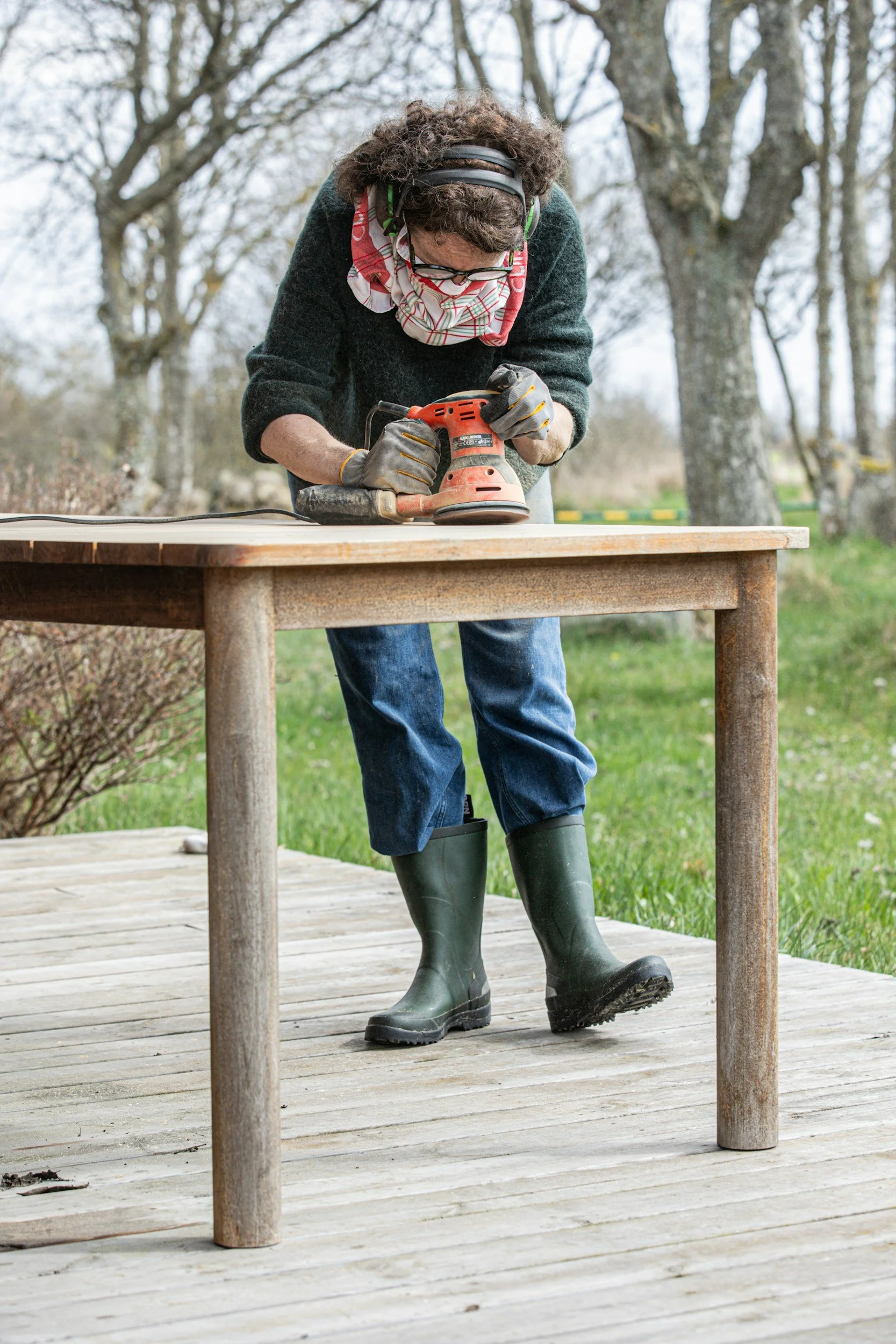
Becoming a DIY’er happens because of a few reasons. 1- We want to save money so we cut out the “labor charge” or “convenience fee.” 2- We like the challenge of creating something ourself while we build a new skill. 3- What we have in mind to create isn’t exactly easy to source or we can’t find one that fits our exact need. Whatever the reason, being able to jump in and give it a try is an empowering feeling. Many people say there is no way they could….xyz. But really if it came down to it, with enough self-help resources to follow along, people can surpass many of their own limiting beliefs.
There are a few things to understand right from the get go. In many cases it will not turn out exactly like you hoped. In many cases the process of learning this new skill costs more in time, effort and money than it might have to just hire someone else do it. The learning curve is long and slow for a while, and then you will make leaps and bounds in a short time.
The power of the internet and platforms like YouTube has opened up the availability in learning resources and ease of access to anyone with an internet connection. If there is something out there we want to learn, do, or create, then there are tons of videos, blogs and forums of people younger than us who have taught themselves to do just that. It is our human nature to want to share our knowledge with others, to help people avoid the pitfalls that are hard to see until it’s too late.
What is the difference between you and someone who is a master gardener, a successful wood builder, or an excellent mechanic? Making mistakes, learning from them, and time. Nobody is born with the know how to do anything. We all have to be taught at some point. Some people are born with natural talents, but even those people eventually reach a point where they have to dig deep, learn and apply themselves to move to the next level.
To begin your journey on your next DIY project you will need to decide where to start. Depending on the project this could be jumping in with no input from other sources and just figuring it out. Or perhaps you start with online research, then get started and keep referencing back to it as needed. The last option is to find someone, a friend, neighbor, etc. that you can shadow in that field asking questions as needed. Perhaps you helping them with their garden as you learn is a win/win because they get extra help and you get knowledge. Another arrangement could be you offer to pay them for a few hours of there time while they work with you on your project. Even if you end up spending more up front for this route, it saves you a lot later as you now have the skills and expertise to do it yourself from here on out.
Many kids are unfortunately given labels from their parents, friends, and teachers. They could be “Josie is the musician, she doesn’t like working outside.” This might be true for that time in her life, but because of this label, now she feels like she doesn’t belong trying to learn anything outside. She would not be good at gardening or building a project so someone else should do that. This belief we put on others and ourselves leaves us with so many unfulfilled possibilities. Trying is the first step, failing is the next step, getting back up and learning from it before trying again is the final step to any success in a DIY project.
So, before you decide to hire something out or just buy it from the store, ask if this would be a good skill to try. If you must pretend that there is no other way to get it done unless you do it yourself, than start there. We are capable of endless abilities and we don’t know what could become our next hobby until we try. Happy DIYing.