

Keeping Flexibility in Your Homeschool Structure
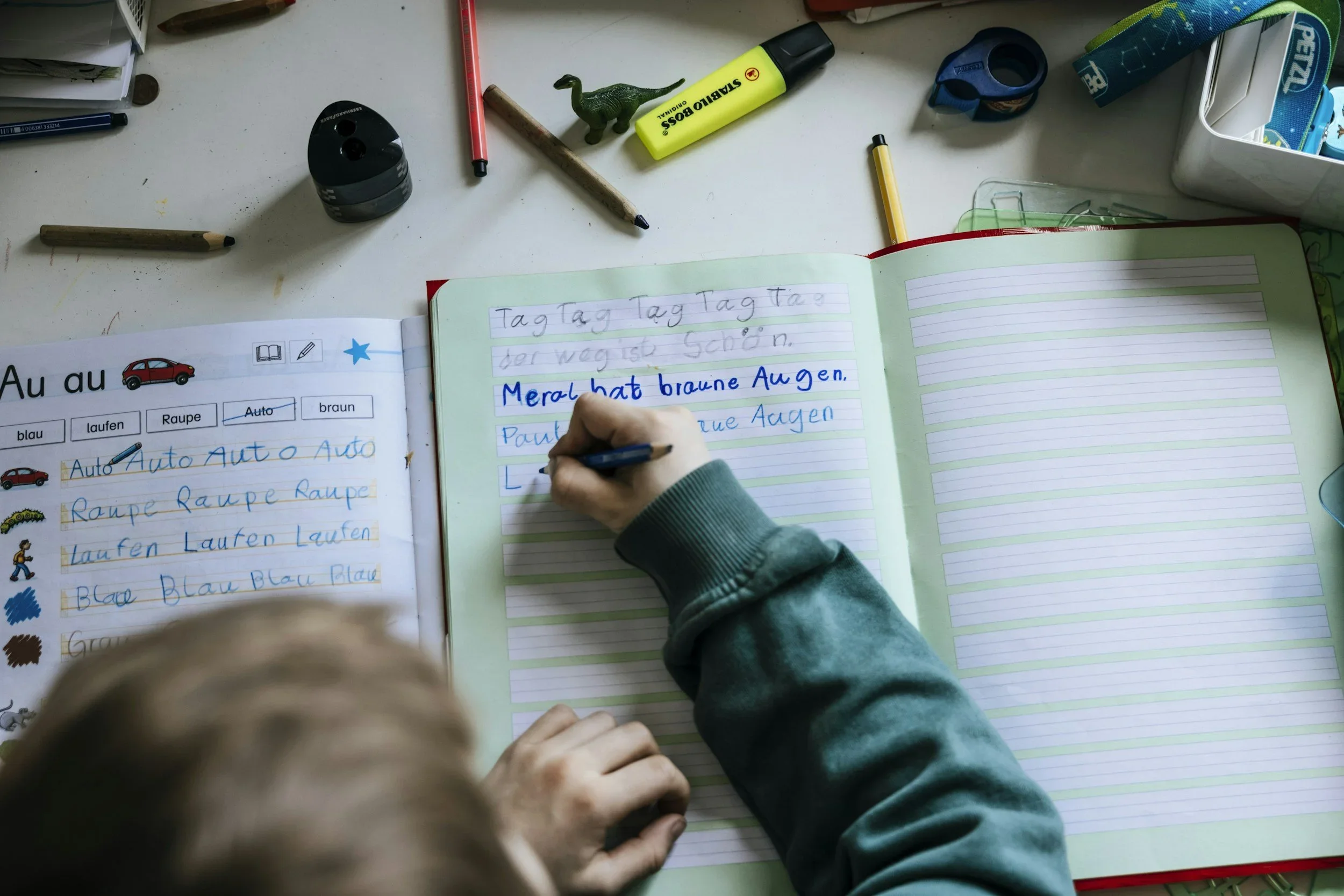
We’ve all been there at the beginning of the school year, bright eyed and with all the greatest intentions for our new chosen curriculum. Fast forward 3 months later we have now seen the limitations, unnecessary busy work, and discovered the hidden gems needing more time. The more curriculum styles you try, you realize the content is pretty much the same but taught in a different flavor. Some require more teacher involvement and planning than others. Many of us have several kids of different grades and maybe even a part time job that require us to find a curriculum that is self-guiding for the student.
Teaching our kids to be self sufficient early on helps build the confidence in themselves to troubleshoot, get answers through other resources, and if they still need help then ask their parent. Our main task as a parent is to keep the kids focused, insure they are completing their daily scheduled allotment and grade their work. By the time the kids reach age 9 they should be able to be mostly self-guided. The hardest part is not them being unsure of what to do next, it is keeping them focused and not distracted by their siblings, the dog, the garbage truck going by or the bird out the window.
In public schools it is not uncommon for them to jump around the book and even skip chapters in the book. I am a believer that if it is in the book for that grade then it is probably important to learn, but as the kids go through the books, we need to adjust as we go. Some curriculum is designed to continually repeat what they have learned as well as adding in the new concepts. This is a great way to solidify the learning, but it is also a way for the kid to feel burned out sooner.
Early in my homeschooling journey I was very rigid and thought I had to have the kids do every single problem, every single assignment, and all the extra practice as well. This led to so much burnout and boredom for our son that it caused him to struggle with the desire to learn and created a lot of avoidable strife in our relationship. Now several years later I have learned the fine balance of skipping bits and pieces of what they have shown they’ve mastered, and choosing the correct amount of problems to do that ensures solid grasping of new concepts.
If you get really creative, you can mix subjects to help get them excited to learn more in less time. Such as, their 6-paragraph essay can be on their favorite animal or mixed with a history assignment on a president or scientist. It’s amazing how a kid can be dragging their feet to complete what’s in front of them, but when you tweak it a little by combining cross subject learning they now are excited to write. Soon they are complaining they have to stop at only 6 paragraphs because they still had more ideas to write down (true story.) We of course will teach the foundational subjects of Math, English, Spelling/Grammer, History, and Science, but after that we have to choose wisely what else we want to fill in as important foundation subjects for our family. For us we prioritize, typing when they reach about 10 years old, reading self-growth books, health, and music. We only have so much time in a day, and we really don’t need to be filling their entire schedule with endless hours of learning. Plus if there are any sports or other activities they want to do, we very quickly run out of time. We want our kids to enjoy their childhood and that means the time to themselves to create, read, play, relax and family time.
Early in our homeschooling journey we are naturally more rigid and concerned with not living up to our own and others expectations. We wonder if we are qualified to teach our kids. My answer in short is if you passed grade 12, then you are qualified. Now truthfully, I feel like I have forgotten a lot and helping my kids is a refresher course. With answer keys, Google, and maybe even ChatGPT, we can help our kids learn everything they need to successfully graduate. The fact that you are taking them from a classroom of 30+ kids to now only sharing their teacher with their siblings, already sets them up for higher success. All that availability and one on one time really adds up throughout the school year.
If you set your year up right in the beginning and make your kids stick to their daily work, adjusting and tweaking as you go, you will find there is so much flexibility and freedom in the structured homeschool days. But, just know, that no matter how well you adjust the assignments as you go, the kids will still end up saying “Why do I have to learn this?” When you choose the right curriculum and are intentional about what they should do in it, you can stand firm on the fact that they are learning the basic knowledge that kids need to succeed in life.
As the kids reach high school it is even more fun to customize. By adding in budgeting and reading finance, relationships and self-growth books, we can really fill in the gaps to get them ready for a successful adult life. Still, inevitably when they ask you that question, you can ultimately say, “The biggest thing you are learning out of completing this work is follow through, perseverance when it’s hard or frustrating, and completing goals. And if you can learn all of this with a positive, glass half-full mindset, then your future success is just a matter of time.”