

Micro-Homesteading In Town
The world of homesteading is filled with raising animals for food and resources, large gardens, preserving food, and working and using our land for self-sufficiency and income. The key word in homesteading is self-sufficiency. No matter where you are on your journey in homesteading, it all requires starting small and then scaling up as needed on the things that work. So whether you’re on your piece of land and building your infrastructures or in town in a home or apartment, you can start where you are. Many of the things we want to start applying and building require learning and trial and error. We might have to do things in reverse for a while due to the space and limitations town living has.
Step 1- Sourcing bulk items and limit shopping trips. Living in town has many conveniences. Filling that craving at 11pm and swinging by a fast-food place for a quick meal. Forgetting 1 ingredient for our meal so we run to the nearest grocery store 5 minutes away. The problem with this quick fix society is it is easier to spend more. We know that when we go into the grocery store for that 1 ingredient we are coming out with 5 items. Some because they were on sale and some because it looked tasty in the moment. If you’ve never treated the “5 minute away grocery store” as an “hour drive away grocery store” then you probably haven’t experienced your fullest creativity yet. Now, this is all easier when you have a weekly menu that you plan and shop for. So when you find that you are missing the one key ingredient, you get creative and try a different ingredient, or turn your taco salad that is missing the lettuce into burritos.
Sourcing bulk items for your grains, beans, meats, nuts, oils, and frozen fruits and vegetables will help you save drastically on the price. Buying 25 lbs of rice instead of the smaller 2 lb bag is a great way to save money and learn about long term food storage. When starting on your bulk food buying journey you want to focus on the obvious areas that you consume a lot of. What are the staples you go through a lot of? This could be things like flour, rice, beans, noodles & meat. Storing a 5-gallon bucket of the grains and beans that you use a lot of is an easy way to have a few months extra of the items that store for years if properly sealed in a cool, dark, place like a pantry or basement.
Once you get your few buckets filled and going, making sure to rotate your stock to keep everything as fresh as possible. Doing this process with frozen items is good too, just make sure you have a backup power source to handle keeping that going if an outage were to happen. Because of these limitations, relying on canned, freeze dried, dried, and dry goods is a better area to focus more on. When you have a healthy stock of the dried staples it is easier to limit your shopping trips to once a week. This weekly trip will be to get the perishables that don’t last very long.
Step 2- Learning the Art of Preserving. As you delve into bulk buying, you very quickly see the need to learn to preserve the things that are not long term storable without help. Which version you choose depends on what interests you, your finances and how you want to use the items. The benefits to canning food is it includes the liquid in each jar that can help lower the need for water if that is a scarce resource at the time of use. The limits too canning is they are in glass, which is fragile and heavy if being moved and the lids can lose their seal.
Freeze drying has a large upfront cost of buying the unit, but when you have your final packaged food, it can last for many many years if properly preserved. Also it is very lightweight and can be easily packed and carried elsewhere. There are many other types of preserving to look into, but it comes down to what are you looking for in the preserving process, the price and the convenience when you are doing the preserving and using the food after as you rotate through it.
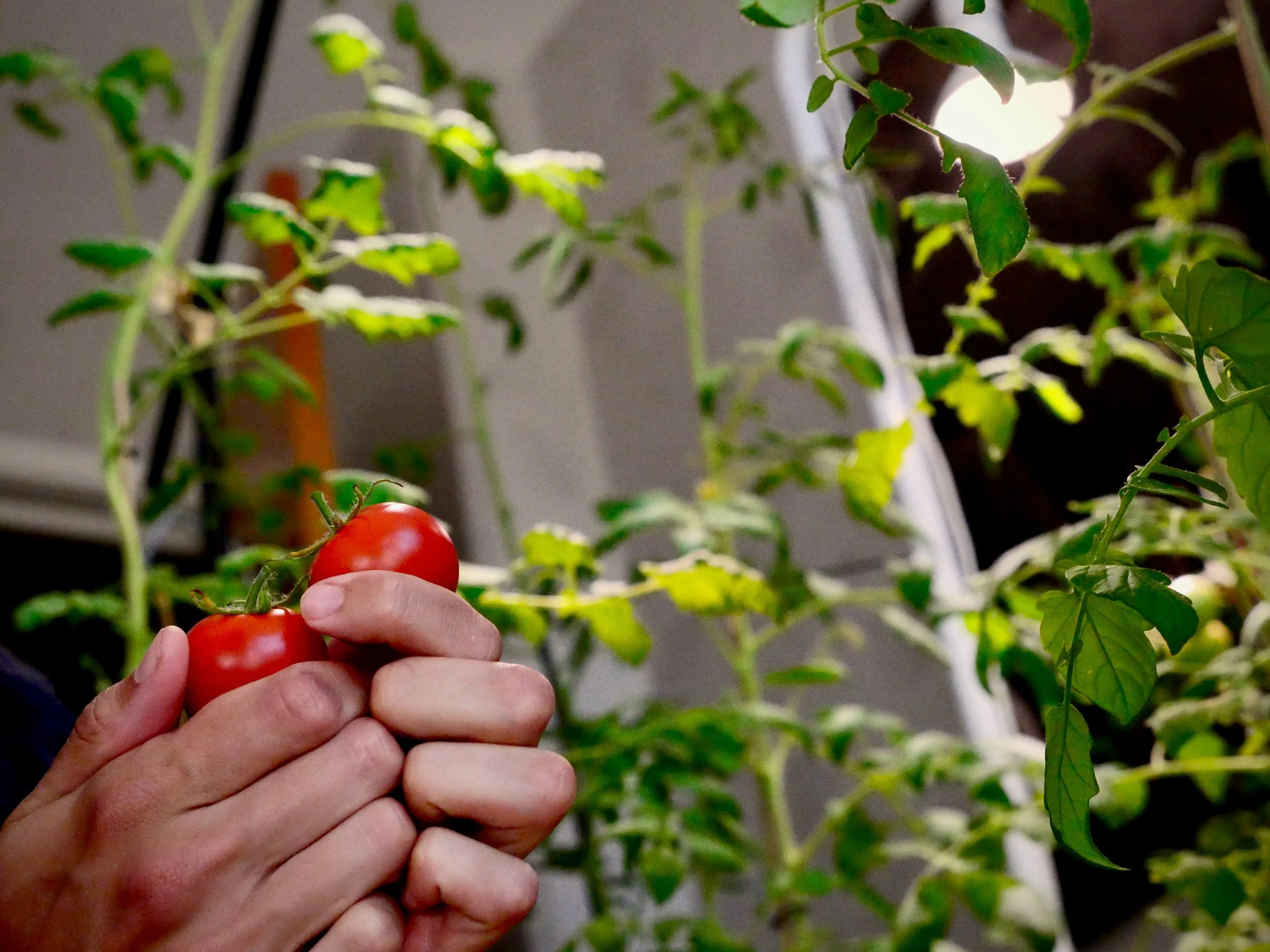
Step 3- Growing your own food. This is where micro homesteading starts to feel like you are moving closer to the goal. No matter where you live there is a way to start growing food. Most homes have a yard or patio to use as their growing space. It won’t be big or ideal sun exposure, but it is a start. Figure out what you want to grow by looking again at what you use a lot of and starting with that. Choosing things that produce a lot per plant is a good place to start as well. Things like zucchini, tomatoes, green beans, peppers, & green onions are easy to grow and grow a lot of produce per plant.
You may have to learn about vertical growing to utilize your space better, or companion plant tall things with short things underneath and between to maximize your garden bed space. If you are in a home that has no patio, or outside growing area, then moving to indoor growing in window seals, hydroponics, or growing microgreens can be a place to start. You also can talk to your neighbors that do have space outside and trade harvested produce for using their space to grow and practice your gardening skills.
Step 4- Growing your homesteading skills. The world of Youtube is vast and provides endless hours of learning. We can see other people go through their trial and errors and learn from them. Once you have an area you have educated yourself on thoroughly you can reach out to your community and find other homesteads that you can donate your time to practice. They get extra help on their homestead and you get valuable hands-on learning.
Step 5- Eliminating Excuses- Anytime we want to push forward and do something new it is easy to start counting the hurdles and roadblocks in our situation. Maybe it’s lack of space in your home for growing or storing food. Maybe it’s lack of money to spend on bulk foods and preserving equipment. It doesn’t matter where you are at in your finances, there is always a way to make a positive change. It might mean selling unused things and decluttering to clear space for your food storage and growing areas. It might mean getting extra work to pay for your preserving equipment. It might mean turning off your social media scrolling addiction so you can learn new homesteading information and skills.
Whatever it is, don’t wait to get your piece of land to get started. There is a learning curve to everything new and even if you live in town now, you can get started on that learning curve today. This will just ensure when you finally step onto that piece of land, you are already months ahead of the timeline to start implementing your homesteading vision.