

Growing The Frugal Muscle Without Becoming a Cheapskate
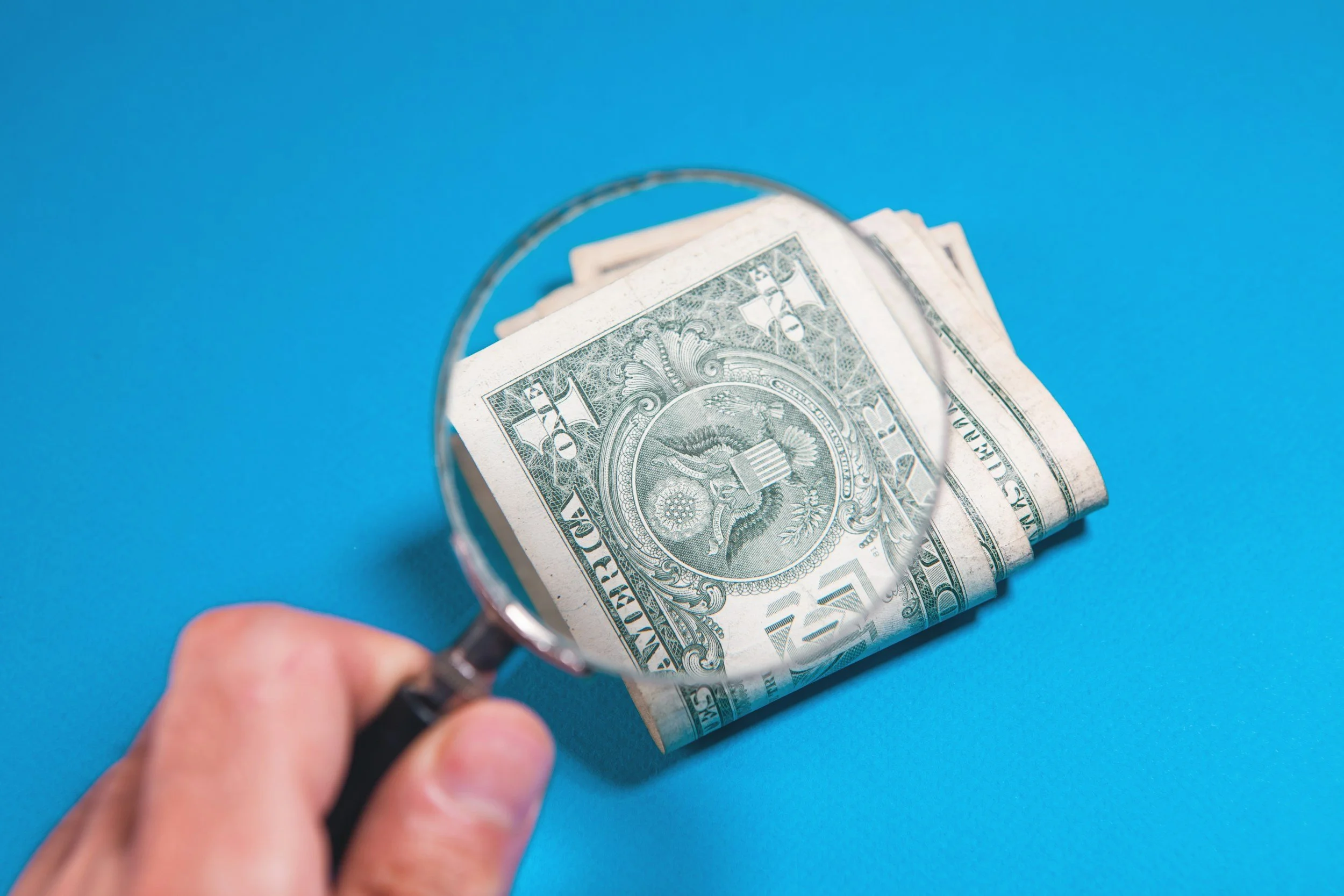
The term frugal may bring up images of counting toilet paper squares when using the bathroom, adding water to your shampoo bottles, using all the leftovers in the fridge and not throwing out any waste, reusing sandwich bags and aluminum foil, sharing a toothbrush or turning off the water in the shower while shaving. Some of these examples are frugal and some are extreme cheapskates. What is the difference? Frugal is not being wasteful, using things to their fullest extent, and not buying more varieties until the old one is used up. These people not only don’t overspend, but they are choosing the most cost-effective way to spend the least amount necessary.
Cheapskates are people who take things to a whole new level. They don’t allow or enjoy the basic things because they are trying to not spend anything. We all have seen the videos of the cheapskates who take turns using a dish so they don’t have to use as much water and soap to wash them, or who go to the neighbors to ask for any food they are not going to use; expired or half eaten is fine. The problem with cheapskates is the mindset that it creates. Life is meant to be enjoyed along the way. The destination means nothing if the journey is not enjoyed. So even though both frugal people and cheapskates are trying to not spend as much money, one is living their life enjoying the small things until they can enjoy the large things, and the other is not enjoying anything because their so focused on every penny.
Since many Americans fall in the excessive overspending category, going frugal can feel like a prison sentence. To make this process smoother, we want to start with our why. A large majority of Americans live paycheck to paycheck. There always seems to be more expenses than income. Feeling like we would love to put money towards fun activities, vacations, saving, and investing are all great motivators to start making changes. Depending on your finances, you may see drastic changes pretty quick. If you are already pretty good with not overspending, then moving over to the frugal side can feel like the saved money isn’t as grandiose.
There are many things we can start to do to plug the overspending drain as well as leveling up to the frugal realm. To give a visual I will show you both sides of what these two could look like.
Stop overspending- #1
Reduce/cancel subscriptions (many people have multiple subscriptions to the same type of things/service with different companies)
Going Frugal- #1
Cancel all subscriptions- in many cases having a membership to a place does save money on certain products, but it also increases spending due to feeling like we have to get our subscriptions worth. Using free streaming services will save hundreds every year.
Stop Overspending- #2
Eliminate all purchases of eating out (including coffee shops), bottled/canned drinks, convenience packaged foods (sliced cheese, precut fruits and veggies, etc.)
Going Frugal- #2
Only purchase grains and flours in bulk, eliminate expensive ingredients, drink only water, eliminate packaged snacks (granola bars, fruit snacks, chips, cheese sticks, etc.) switch from brand names to generic foods, stop buying desserts/sweets.
Stop Overspending- #3
Reduce salon appointments (nails, hair, lashes, waxing, tanning), stop upgrading with the newest tech releases & cars.
Going Frugal- #3
Eliminate all salon appointments (replace with home hair/body care), Continue to use the same old tech until it is no longer possible, buy used when you have to replace tech/cars.
Stop Overspending #4
Stop paying the loans, interest and storage fees for “Toys”, such as a boat, RV, jet ski, or motorcycle. Sell what you can and rent as needed instead.
Going Frugal- #4
Eliminate your storage unit. Most people don’t remember everything we are paying monthly to store, if you have to keep an item, clear out room in your home to store it for no additional cost.
Stop Overspending- #5
Only take vacations when you can pay cash for it.
Going Frugal- #5
Stop taking vacations for a while and turn them into day trips or free camping. Saving this money goes a long way for a money goal.
These are some places to start. Ultimately our mindset is where this becomes easy or hard. People as a whole usually don’t make changes, much less big changes in their life, unless they have too. It’s hard work, mentally straining, and can make us wonder if it is worth all the struggle. Whether you are trying to grow your frugal muscle because you are trying to stop the leaks before they really get bad, or because you are trying to achieve some big financial milestones, having your why is what will carry you through the grind.
Telling ourselves and our kids no, when we want to buy those extra items or having to delay activities/experiences because we are in a season of gaining complete control of our finances is always going to be hard. Even if you are in a season of frugality as you save for a big life purchase such as a home/trip/getting debt free etc, it doesn’t mean you can’t enjoy the small pleasures along the way. There are endless free activities out there for the whole family.
The main switch between overspending and frugality is knowing what is important. An overspender thinks everything has equal value and urgency. The boat, the martial arts class, the vacation, the salon visits. The frugal person may be as frugal as possible in their groceries, choice of car, and miscellaneous spending so that they can prioritize getting debt free. This prioritizing is giving urgency and high value to that big goal.
To truly see where you are at and what kind of progress you are making you have to use a budget for your paychecks and spending. Without it, we all think we are doing better than we are. For a full step by step walk through on creating a budget and paying off debt, check out this “From the Tunnels To The Mountain Tops” workbook.